Blog Header Image

Sadie Flynn

   •    

December 19, 2025

All I want for Christmas is a better standard of care for women

The standard of care for new mothers is a joke – and not a funny one. For a population responsible for growing, birthing, and sustaining human life, prenatal and postpartum women are still getting scraps when it comes to care. As a prenatal and postpartum coach, I’ve spent years watching women get bombarded with attention during pregnancy – appointments, tests, classes, unsolicited advice from every direction – only to be dropped the moment the baby arrives. The cliff between prenatal care and postpartum care isn’t subtle; it’s a freefall. And for many women, that freefall comes with physical trauma, emotional overwhelm, and zero guidance for rebuilding their bodies or their confidence.

Let’s call it like it is: the current postpartum standard of care isn’t a standard at all. It’s a shrug. It’s a “good luck out there.” It’s a system that treats pregnancy like a medical event and postpartum like an afterthought. And women deserve far better.

The Current Standard: Aggressive Prenatal, Barely-There Postpartum

During pregnancy, you get near-constant touchpoints: monthly appointments that turn biweekly then weekly, an array of screenings, birth prep classes, breastfeeding workshops, referrals to every specialist under the sun, and steady messaging from OBs and midwives about how to optimize this or monitor that.

Then postpartum hits and the support evaporates. Here’s the real “standard” most women face:

  1. You have the baby. You’re monitored for 2–3 days. If breastfeeding is bumpy, a lactation consultant might pop in. Then you’re sent home, still bleeding, still swollen, still trying to figure out what just happened.

  2. Six weeks of silence. No proactive check-ins. No structured recovery plan.

  3. One six-week appointment where your practitioner essentially confirms your organs haven’t fallen out and asks how your mental health is holding up.

  4. That’s it. Truly. That’s the whole thing.

We would never accept this level of neglect in any other medical category. But women are expected to recover from one of the most physiologically intense events a human body can experience with a pat on the back and a handout about baby sleep.

What Postpartum Care Should Look Like

If I could rebuild the standard of care from scratch – if we actually treated postpartum women as humans deserving of guidance, expertise, and continuity – here’s what it would look like.

Immediately After Birth: A Full Week of Supported Monitoring

  • Daily check-ins from lactation and breastfeeding consultants

  • Support from newborn specialists and the birthing practitioner – not because something is wrong, but because continuous care is foundational

  • Automatic referrals to a pelvic floor physical therapist (PFPT) and a prenatal/postpartum trainer so recovery starts with expertise, not guesswork

Weeks 1–6: Consistent, Accessible Check-ins

  • Weekly touchpoints from the midwife or birthing practitioner via whichever format the mother prefers: text, email, phone, video

  • Early-stage exercises prescribed to help reestablish mind–muscle connection and support healing without overloading the body

Six-Week Mark: A True Evaluation, Not a Checkbox Appointment

  • Physical exam with the OB/Midwife

  • Comprehensive pelvic floor and core assessment with a PFPT, including diastasis recti evaluation and pelvic floor strength and endurance testing

Months 2–6 (and Beyond): Guided Rebuilding

  • Referral from the PFPT to a prenatal/postpartum trainer

  • A personalized training plan that rebuilds strength intentionally and prepares the body to return to fitness goals safely and efficiently

  • Understanding that postpartum recovery can take 3 months or 3 years – because there is no universal timeline and pretending there is only harms women

As Needed: Hormone-Savvy Nutrition Support

  • A referral to a hormone-focused nutrition practitioner who can help stabilize the internal hormonal storm that so many women are left to navigate alone

It’s Time to Close the Gaps

We already have the experts. We already have the science. What we don’t have is a system that respects postpartum women enough to connect the dots. Instead, they’re left fighting through internet noise that either pressures them to “bounce back” instantly or shames them for not doing more during pregnancy.

It’s unnecessary. It’s avoidable. And it’s time for a change.

If we can monitor a woman weekly during pregnancy, we can support her weekly postpartum. If we can educate her thoroughly before birth, we can guide her intentionally after it. And if we truly value mothers – and the next generation they’re raising – then building a real, comprehensive postpartum standard of care isn’t optional. It’s overdue.
Continue reading

Blog Image Spacer

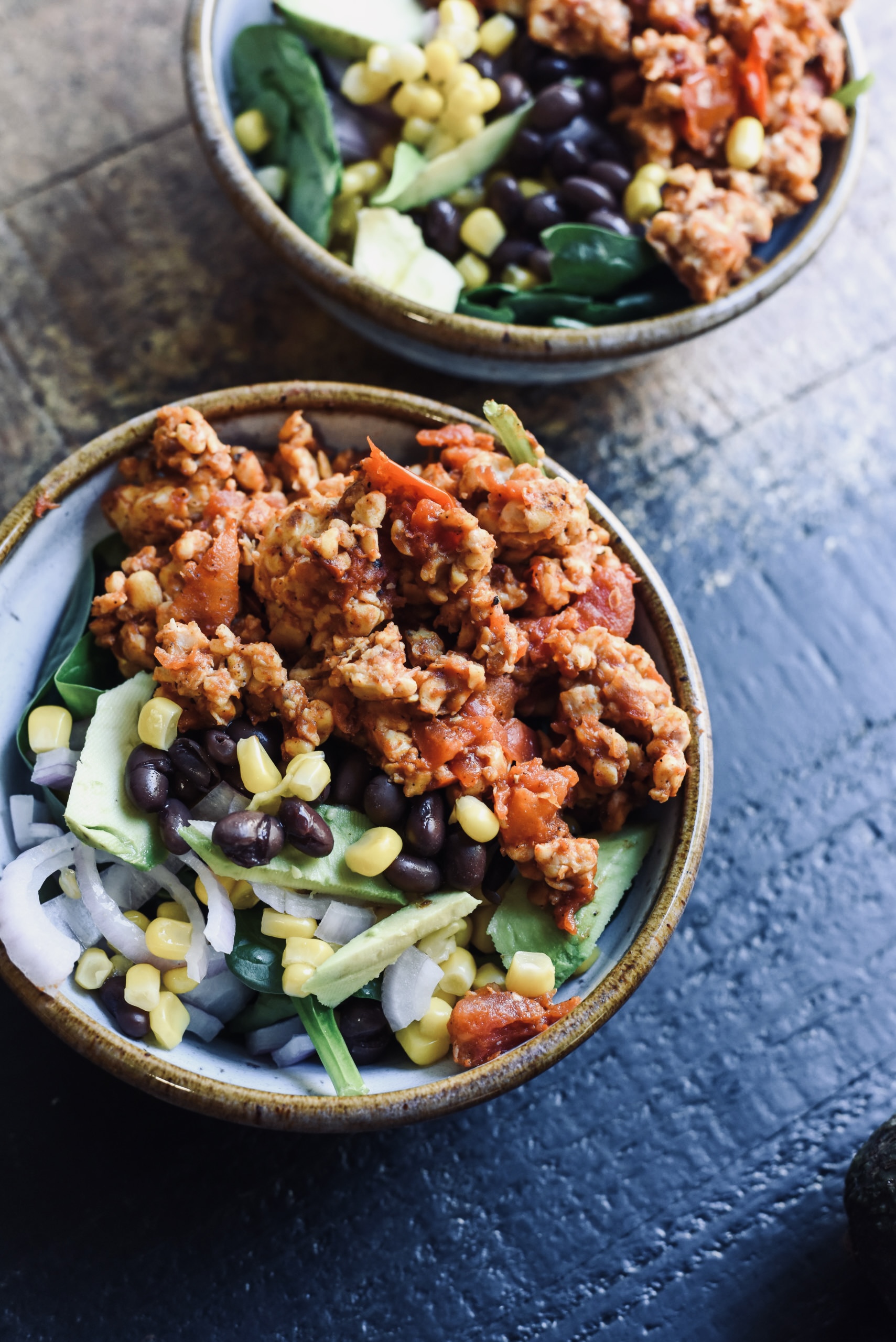
Sweet & Spicy Korean Turkey Spring Roll Bowls

serving of meat makes 8 servings: Calories — 565⁣ Protein — 40g⁣ Fat — 21g⁣ Carbs — 33g⁣ ⁣ 𝐅𝐨𝐫 𝐭𝐡𝐞 𝐠𝐫𝐨𝐮𝐧𝐝 𝐭𝐮𝐫𝐤𝐞𝐲⁣ 𝘏𝘦𝘳𝘦𝘴 𝘸𝘩𝘢𝘵 𝘺𝘰𝘶𝘭𝘭 𝘯𝘦𝘦𝘥: ⁣ ⁣ 3 lbs lean ground turkey⁣ 9 tsp garlic, minced about 9 cloves⁣ 34 cup brown sugar, packed⁣ 34 cup low-sodium soy saucetamaricoconut aminos⁣ 6 tsp sesame oil⁣ 1 tsp ground ginger or 2-3 tsp minced⁣ 1 tsp crushed red pepper⁣ 1 tsp black pepper⁣ Sliced green onions for garnish⁣ 𝐅𝐨𝐫 𝐭𝐡𝐞 𝐬𝐩𝐫𝐢𝐧𝐠 𝐫𝐨𝐥𝐥 𝐛𝐚𝐬𝐞⁣ 𝘏𝘦𝘳𝘦𝘴 𝘸𝘩𝘢𝘵 𝘺𝘰𝘶𝘭𝘭 𝘯𝘦𝘦𝘥:⁣ ⁣ 10oz bag of shredded cabbage⁣ 10oz bag of julienned carrots⁣ 10oz bag of broccoli slaw⁣ 12oz bag of sea kelp noodles ⁣ 5oz greens of your choice, roughly chopped⁣ 5-10 mini cucumbers, sliced⁣ 1 bunch each of cilantro, mint, and Thai basil, roughly chopped⁣ 13-12 cup peanuts, chopped⁣ Sesame seeds and sliced green onions for garnish⁣ ⁣𝐅𝐨𝐫 𝐭𝐡𝐞 𝐡𝐨𝐧𝐞𝐲 𝐠𝐚𝐫𝐥𝐢𝐜 𝐝𝐫𝐞𝐬𝐬𝐢𝐧𝐠⁣ 𝘏𝘦𝘳𝘦𝘴 𝘸𝘩𝘢𝘵 𝘺𝘰𝘶𝘭𝘭 𝘯𝘦𝘦𝘥:⁣ ⁣ 12 cup olive oil⁣ 6 tbsp rice vinegar⁣ 4 tsp honey ⁣ 2 tsp minced garlic⁣ Salt, pepper, and crushed red pepper to taste⁣ ⁣ To prepare: ⁣ — Heat a large sauté pan over medium-high heat.