
As the seasons change, so do our routines, energy levels, and sometimes even our moods. The days get shorter, temperatures drop, and before we know it, we're leaving for work in the dark and coming home in the dark. While some people love the cozy feeling of the colder months, others may notice a shift in their mental health, motivation, and overall energy.
And when those things start to change, our fitness routines are often one of the first things to take a backseat.
It's easy to convince ourselves that we'll get back into a routine when the weather gets nicer or when we have more energy. But staying active during the colder months can actually be one of the most beneficial things we do for ourselves, especially when we're feeling a little less like ourselves.
Less daylight and colder temperatures can have a real impact on our mental and physical well-being. Reduced exposure to natural sunlight can affect our circadian rhythms and sleep patterns, while seasonal changes can contribute to lower energy, changes in mood, and decreased motivation.
For some, these changes are mild. For others, they can be more significant and may be associated with seasonal affective disorder (SAD), a form of depression related to seasonal changes.
When we're feeling tired, unmotivated, or mentally drained, the thought of getting dressed, driving to the gym, and completing a workout can feel like a much bigger task than it normally would.
This can create a cycle: we feel less motivated, so we move less. We move less, and we may start to feel even more sluggish, disconnected, or stressed.
The good news? Building movement into your routine can help interrupt that cycle.
We often talk about exercise in terms of strength, endurance, body composition, and performance. But movement also plays an important role in supporting our mental health.
Regular physical activity can help reduce stress, improve sleep quality, support mood, and increase overall energy. Exercise also encourages the release of endorphins and other brain chemicals that contribute to feelings of well-being.
Sometimes, the biggest benefit of a workout isn't how much weight you lifted or how fast you finished. It's that you showed up for yourself on a day when you really didn't feel like it.
During the colder months, think of exercise as an investment in your mental health just as much as your physical health.
Staying consistent doesn't mean you have to feel motivated every single day. It means creating habits that help you keep moving, even when your energy and mindset aren't quite where you'd like them to be.
Here are a few ways to make that easier:
1. Put Your Workouts on the Calendar.
Treat your workout like any other appointment. Scheduling specific days and times removes some of the decision-making that can make exercise feel overwhelming. Instead of waiting until you feel motivated, make movement part of your weekly routine.
2. Find an Accountability Partner.
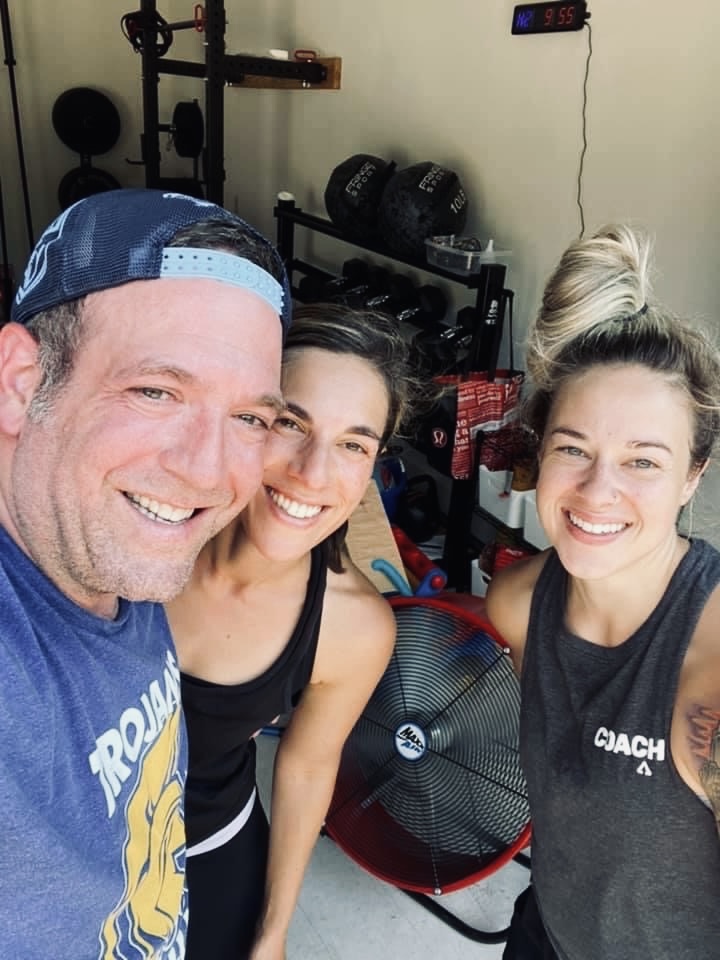
Having someone expecting you at the gym can make a huge difference. Whether it's a workout buddy, a coach, or a group class, surrounding yourself with people who encourage you can help you follow through on the days when staying home sounds much more appealing.
3. Adjust Your Expectations.
Not every workout needs to be your best workout. Some days, you might have the energy to push yourself. Other days, simply showing up and moving your body is enough. Give yourself permission to adjust the intensity without abandoning the routine.
4. Get Outside When You Can.
Even when it's chilly, try to find opportunities for natural daylight. A morning walk, a few minutes outside during lunch, or an afternoon stroll can help you get some sunlight and break up the day. You don't have to spend hours outdoors to make it worthwhile.
5. Focus on How You Feel Afterward.
Instead of focusing on how difficult it feels to get started, remind yourself how you typically feel after moving your body. More energized? Less stressed? A little more accomplished? Sometimes remembering those benefits is enough to get you through the gym doors.
It's important to remember that consistency doesn't mean perfection. There will be days when you're tired, schedules get busy, or your mental health needs a little extra attention. That's okay.
The goal isn't to push through every difficult feeling or ignore what your body is telling you. It's to find sustainable ways to prioritize your health, even when the seasons make it a little harder.
At CrossFit Renew, we believe fitness is about more than what happens during a workout. It's about building habits, finding community, creating accountability, and taking care of yourself both physically and mentally.
As the days get shorter and the temperatures drop, don't let your health and fitness goals fall to the bottom of your priority list. Find your people, establish your routine, and remember that showing up for yourself is always worth it.